
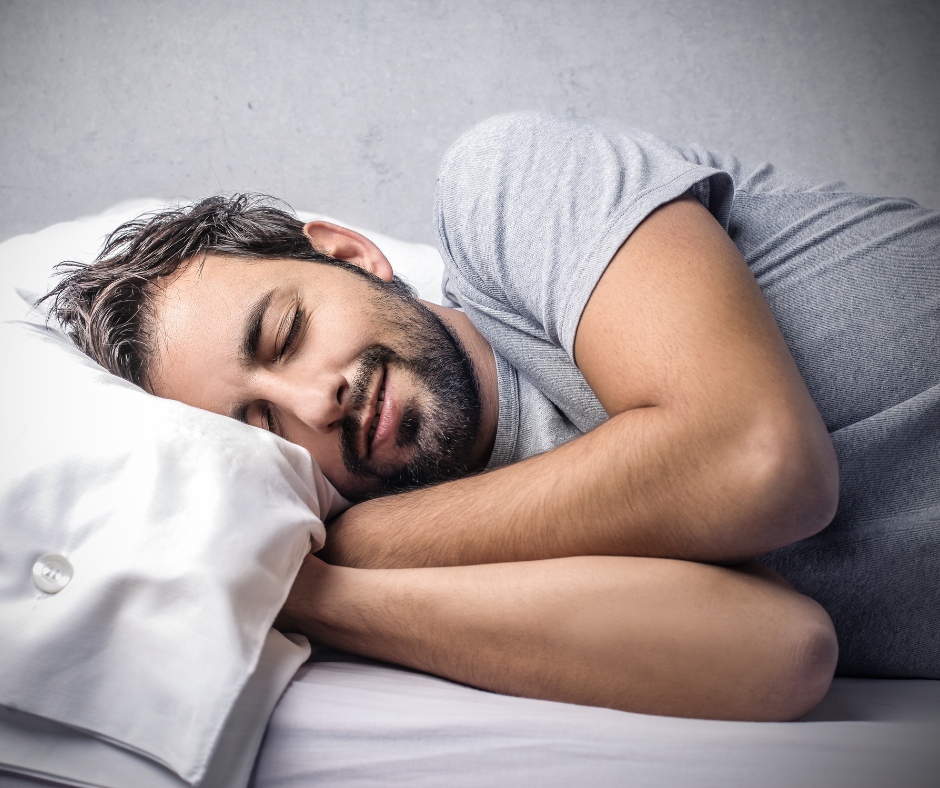
What if the best leadership hack wasn’t in another MBA course, high-performance podcast, or productivity app — but right under your nose… in your bedroom?
In today’s hyper-demanding world of leadership, where decision fatigue, emotional volatility, and burnout creep in unnoticed, the secret weapon isn’t more caffeine — it’s sleep. Sleep is the ultimate leadership strategy, and it underpins every other performance domain in the Corporate Athlete framework: physical capacity, emotional stability, mental clarity, and spiritual alignment.
Let’s break down why that is — and how science confirms it.
1. Physical Energy: Recovery, Hormone Balance & Immune Resilience
A well-rested leader isn’t just more energetic — they’re biochemically balanced. Sleep triggers tissue repair, hormone regulation, and muscle recovery, which are essential to enduring long meetings, late flights, and unexpected emergencies.
🧪 According to research, deep sleep stimulates growth hormone release — key for cellular repair and physical regeneration (Walker, 2017). Without adequate sleep, cortisol remains elevated, pushing leaders into chronic stress and low-grade inflammation【1】.
Even your immune function takes a hit. One study showed that adults who slept less than 6 hours a night were 4x more likely to catch a cold than those who slept more than 7 hours【2】.
🔑 Translation: If your body is inflamed and exhausted, don’t expect to make clear decisions or remain cool under pressure.
2. Emotional Balance: More Sleep, Less Reactivity
Leaders set the tone. If you’re irritable, anxious, or disconnected, your team feels it. And guess what? Poor sleep directly hijacks your emotional regulation.
The amygdala, your brain’s emotional alarm center, becomes 60% more reactive after a single night of sleep loss, according to fMRI studies【3】. Meanwhile, the prefrontal cortex — your rational, executive control center — goes offline.
That’s a recipe for misreading tone in emails, snapping during meetings, or failing to listen — which erodes psychological safety in your teams.
🧠 Emotional agility begins with cognitive bandwidth. And cognitive bandwidth begins with deep, restful sleep.
3. Mental Sharpness: Better Sleep, Better Thinking
Want to make smarter bets, avoid costly blind spots, and think more strategically? Start by sleeping more strategically.
Sleep strengthens working memory, insight, and pattern recognition — key traits of executive intelligence【4】. One Harvard study found that well-rested individuals were significantly more creative at solving complex problems compared to their sleep-deprived peers【5】.
Lack of sleep mimics the effect of intoxication: just 17 hours without sleep leads to cognitive impairment equivalent to a blood alcohol level of 0.05%【6】. Would you trust a tipsy CEO?
4. Purpose & Perspective: Sleep Strengthens Self-Connection
Leadership isn’t just about strategy and scale — it’s also about meaning, ethics, and alignment. The spiritual domain of the corporate athlete framework reminds us that purpose-driven leaders make better long-term decisions.
But when sleep is compromised, self-reflection, empathy, and long-term thinking diminish. Fatigue breeds tunnel vision. You become reactive, short-term focused, and disconnected from your values.
Conversely, leaders who sleep well report greater life satisfaction, confidence, and motivation, creating a virtuous cycle of high performance【7】.
Final Thought: Sleep Like a Leader, Not a Hustler
The next time someone brags about “grinding on 4 hours of sleep,” just smile — because you know better. Science is on your side.
Great leaders don’t burn out — they refuel. And sleep is the highest return investment you can make in your leadership, your team, and your legacy.
So tonight, skip the late-night emails. Turn off the blue light. And reclaim your edge — one deep breath and one deep sleep at a time.
References
- Walker, M. (2017). Why We Sleep. Scribner.
- Cohen, S., Doyle, W.J., et al. (2009). “Sleep Habits and Susceptibility to the Common Cold.” Archives of Internal Medicine, 169(1), 62–67.
- Yoo, S. S., Gujar, N., Hu, P., et al. (2007). “The human emotional brain without sleep.” Current Biology, 17(20), R877–R878.
- Diekelmann, S., & Born, J. (2010). “The memory function of sleep.” Nature Reviews Neuroscience, 11(2), 114–126.
- Wagner, U., Gais, S., Haider, H., et al. (2004). “Sleep inspires insight.” Nature, 427, 352–355.
- Williamson, A.M., & Feyer, A.M. (2000). “Moderate sleep deprivation produces impairments in cognitive and motor performance equivalent to legally prescribed levels of alcohol intoxication.” Occupational and Environmental Medicine, 57(10), 649–655.
- Killgore, W.D.S. (2010). “Effects of sleep deprivation on cognition.” Progress in Brain Research, 185, 105–129.